A Designer's Take on the 'Mom Lessons Sleeve' SVG
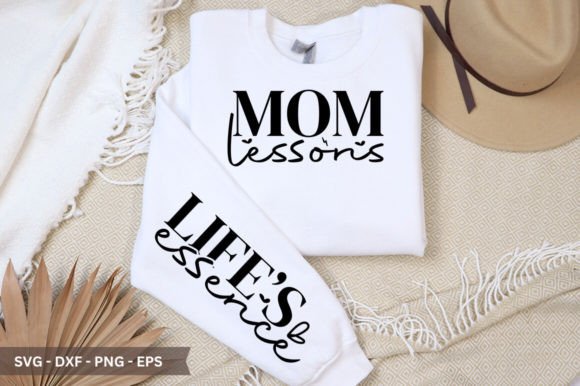
When a design lands in my workspace, my first thought isn't just about the file itself. It’s about the fabric it will live on, the stitches that will form it, and the person who will ultimately wear or cherish it. The Mom Lessons Sleeve SVG arrives with a clear and charming premise. The name alone evokes a sense of warmth and lived experience, which is exactly the mood it creates visually. It’s inherently sentimental, leaning towards a heartfelt, handmade aesthetic that feels personal rather than generic.
The Right Project for This Design
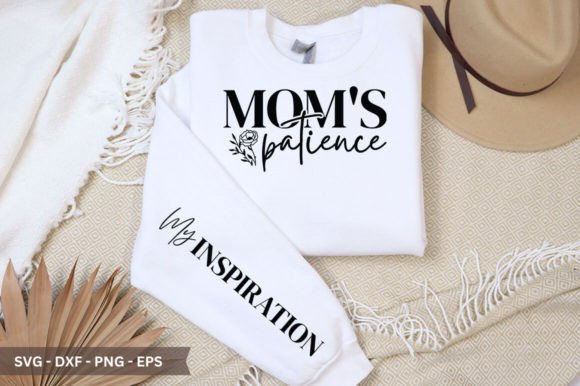
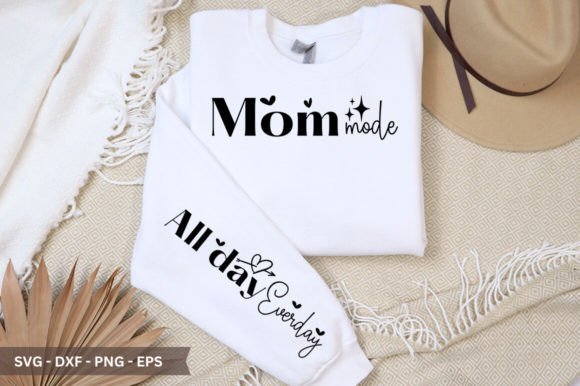
The layout and theme of this design suggest it belongs on something meant to be held close. I immediately picture it stitched onto a cozy fleece sweatshirt sleeve, a canvas tote bag used for daily errands, or the corner of a linen pillow cover in a reading nook. It has a visual personality that is gentle and instructive, perfect for a gift that carries meaning. For a boutique owner or Etsy seller, this translates well into products like custom embroidered patches for baby blankets or delicate stitching on a kitchen apron—items that tell a story.
Let’s walk through a real scenario. I’m preparing a custom embroidered tote bag as a Mother’s Day gift for a client. The Mom Lessons Sleeve SVG is the chosen design. My first step is always to consider how the sentiment will translate into physical stitches. The detail level here is key; it likely has lettering and illustrative elements. I need to think about how stitch density will affect the final look on the bag’s fabric. Too dense, and it becomes stiff on the canvas; too sparse, and the message loses clarity.
Where This Design Excels and Where It Needs Care
For larger, flat surfaces like tote bags, pillow covers, or the front panel of a sweatshirt, this design should perform beautifully. The scale allows the details to breathe, and the fabric texture can complement the handmade feel. It’s also a strong candidate for baby embroidery on a keepsake item like a quilt, where the theme resonates deeply.
However, caution is needed in several areas. If you’re considering caps or hats with curved surfaces, the design’s layout might need adjustment to avoid distortion on the crown. Tiny lettering, if present, can become lost or blurry on textured fabrics like sweaters or on dark fabric if thread color contrast isn’t carefully planned. For items that need frequent washing, like kitchen towels or adult apparel, you must ensure the stitch density and stabilizer use are robust enough to maintain integrity over time. I would not recommend this for very small hoop sizes unless the design is simplified, as intricate details could become a tangled mess.
Translating Digital Files into Stitched Reality
The product description notes it includes multiple file formats, which is excellent for versatility. As an embroidery designer, the SVG and DXF files are particularly useful for integrating into digitizing software to create a clean embroidery file. But here’s a crucial practical note: the provided formats are listed as cut files. This means the core design is vector-based, perfect for scaling, but you, as the embroidery designer, must be responsible for the conversion to a proper machine embroidery format. This is a common step for craft businesses using these kinds of design assets.
Before I ever load a final hoop, I test the design on scrap fabric first. I use the same material as the final project—canvas for a bag, cotton for a tea towel. This lets me check stitch density, see how satin stitch or fill stitch areas behave, and inspect any small details like decorative accents. I also run it through black and white mockups to gauge its form without color, and I compare how it looks on both light and dark fabric backgrounds. This pre-work directly impacts the final visual appeal and stitching clarity.
The Impact on Your Business and Your Customer
Using a design like this thoughtfully affects more than just the product. It builds customer trust. When a handmade product shows clear, professional embroidery with a well-executed sentiment, it feels valuable. It enhances giftability and recognition. A mother receiving a sweatshirt with this design isn’t just getting apparel; she’s getting a narrative piece. For an Etsy seller, that emotional connection drives buyer engagement and can become part of your shop’s brand consistency if you offer a line of sentimental, family-oriented goods.
It’s also vital to consider the design’s use for commercial embroidery projects. You must confirm licensing before selling finished items. The description doesn’t specify license terms, so this is a non-negotiable checkpoint. Can you use it on products for your small shop? Can you create digital product previews or printable mockups for your listings? Always verify this to protect your craft business.
Final Thoughts Before You Hoop It Up
The Mom Lessons Sleeve SVG is a design with clear emotional leverage. Its strength lies in projects where that sentiment is the forefront: holiday gifts, personalized products, baby clothes, and home decor items meant to comfort. Its potential weakness lies in technical execution on difficult surfaces or without proper preparation.
My advice is to embrace its mood. Pair it with thoughtful thread colors that complement the fabric. Use the appropriate stabilizer for the base material. And most importantly, see it not just as a graphics file in the crafts category, but as a blueprint for a story you’re stitching into someone’s daily life. Whether for a wedding gift for a new mother or a standard item in your boutique branding, its value is realized only when the embroidery is clean, lasting, and full of heart. That, as always, is down to the designer’s skill and careful planning.