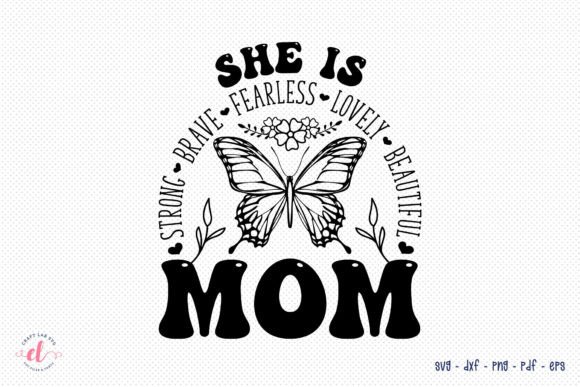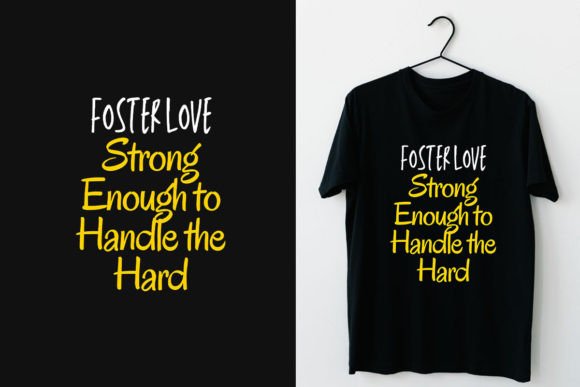
A Designer's Take: The Foster Mom Life Shirt SVG
Every time a new design lands on my screen, I look at it as a craftsman. I’m not just seeing shapes; I’m imagining stitches, textures, and the finished product on someone’s shelf or in a client’s hands. Today, that design is the Foster Mom Life Shirt SVG. Let’s walk through what it offers from the perspective of someone who’ll actually embroider it.
The First Impression: Warmth and Recognition
The Foster Mom Life concept immediately sets a mood. It’s not a generic slogan; it’s a statement of identity and care. Visually, this isn’t a loud, aggressive graphic. It feels gentle and affirming, built to celebrate rather than just decorate. For an embroidery designer, that’s gold. The theme lends itself to heartfelt, personalized gifts and boutique products that resonate on an emotional level. The layout and detail level suggest a design meant to be clear and readable at a glance, which is crucial when translating a digital graphic into physical stitches.
Where This Design Finds Its Home
I picture this embroidered on a cozy, well-made sweatshirt—a gift from a foster child to their caregiver. I see it on a simple tote bag for a foster mom to carry with pride. It would be beautiful as a discreet, meaningful touch on a pillow cover in a welcoming home, or even as a small, delicate piece on a baby’s blanket or nursery decor item. For small business owners, this design taps into a specific, appreciative niche. An Etsy seller could offer it as a custom embroidered tea towel or apron, perfect for a heartfelt holiday or wedding gift. It has that handmade presentation that builds customer trust, because it feels intentional and personal, not mass-produced.
Think about commercial embroidery projects for organizations supporting foster care: it could become part of their brand consistency on staff apparel or event merchandise. The design’s straightforward personality boosts its giftability and recognition. When a buyer sees it, they engage with the sentiment first, which makes the finished product feel more valuable.
A Practical Scenario: The Custom Embroidered Tote
Let’s get specific. Imagine you’re preparing a custom embroidered tote bag for a client who wants to thank a foster mom. You load the Foster Mom Life Shirt SVG file, thinking about stitching clarity. On a tote’s canvas, the text and any accompanying graphic elements need to stand out cleanly. You’re considering thread color contrast—maybe a soft, complementary palette rather than stark black. You’re reviewing the stitch density implied by the design; too dense on a bag that gets used and washed frequently could be stiff. You’re confident this theme is perfect for the product, but your job is to make the embroidery technically flawless to match the emotional weight.
Navigating the Technical Ground
In real-life embroidery situations, a design’s charm must survive the machine. For this Foster Mom Life graphic, small details are key. Any tiny lettering or intricate corners need special attention during the digitizing process to prevent thread breaks or blurred edges. On textured fabrics like sweaters, or stretchy fabric like t-shirts, the design’s integrity depends heavily on using the proper stabilizer. On dark fabric, you might need to consider a slightly different approach to fill stitches to ensure the design pops without looking heavy.
Layered garments or curved surfaces like caps present another challenge. The design’s layout should be evaluated for how it will distort on a curved seam. For products that need frequent washing, like kitchen towels or baby clothes, the stitch density and type become even more critical to longevity. A dense satin stitch area might hold up, but a simpler running stitch outline could be more durable. This is where your experience as an embroidery designer directly affects the visual appeal and professionalism of the final item.
Notes From the Worktable
Before I ever hooped fabric for a client project with this design, I’d follow my own routine. First, test the design on scrap fabric first. This tells you everything about how the machine embroidery file behaves. Check thread color contrast against both light and dark fabric backgrounds—sometimes a design looks perfect in a black and white mockup but needs adjustment on actual material. Confirm your intended hoop size can accommodate the design comfortably; cramming it into a too-small hoop can compromise detail.
Inspect those small details closely. Does the ‘Foster Mom Life’ wording maintain its clarity when stitched? Compare its performance on different substrates—a heavyweight sweatshirt versus a light cotton tee. Use proper stabilizer for each test; it’s not a one-size-fits-all decision. Crucially, check whether the design’s licensing permits its use for both personal and commercial projects. As a digital embroidery file, it’s a design asset for your craft business, but you must confirm licensing before selling finished items like embroidered patches or small shop merchandise. This protects your business and your customer’s trust.
The Final Stitch: A Design With Purpose
The Foster Mom Life Shirt SVG isn’t just a graphic; it’s a potential centerpiece for meaningful handmade products. Its value lies in its specific resonance. For embroidery designers and creative entrepreneurs, it represents an opportunity to create work that feels important. It fits naturally into the worlds of personalized gifts, custom apparel, and boutique branding. The practical judgment comes down to execution: pairing this thoughtful theme with technically sound embroidery to produce a finished product that truly celebrates love, strength, and dedication. That’s the goal—and with careful preparation, this design can absolutely meet it.