Reviewing the In My Spooky Mom Era Retro Design
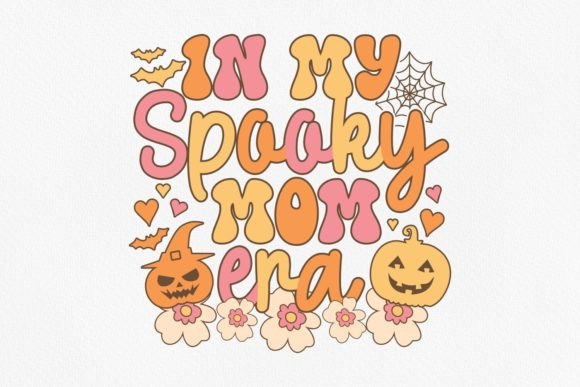
When a new embroidery design lands in my library, I’m not just looking at pixels. I’m thinking about thread, about fabric, about how it will feel under the needle, and ultimately, about the person who will wear or use the finished piece. The In My Spooky Mom Era Retro SVG Design immediately caught my eye as a potential star for this season’s projects. Let’s walk through what makes this design work, and where it shines best in real embroidery situations.
The Charm of a Playfully Spooky Mood
The first impression here is one of friendly, retro-inspired Halloween fun. It’s not overly scary; it’s nostalgic and celebratory. The layout and typography have a personality that feels ready for a cozy sweatshirt or a cheerful tote bag. This isn’t just a generic graphic—it carries a mood. For crafters and small business owners, that mood is a product’s secret ingredient. It tells a story before a customer even reads the description on your Etsy listing.
I imagined this design embroidered on a heavyweight cotton tote bag for a client who wanted something unique for trick-or-treating. The retro lettering and playful theme would stitch out with clear, bold shapes, making it a standout piece at a craft fair. The detail level appears balanced; it looks intricate enough to be interesting but not so dense that it becomes a stitching challenge on common fabrics like canvas or fleece.
Where This Design Performs Brilliantly
Based on the description mentioning t-shirts, mugs, tote bags, and pillows, the versatility is a key selling point. In my practical experience, a design with this visual weight and clear shapes excels on a few specific products.
Apparel with Presence
Think of a soft, crewneck sweatshirt or a high-quality t-shirt. The In My Spooky Mom Era design would create a fantastic focal point. The lettering and elements are likely well-sized for a central chest placement, offering great visual appeal without overwhelming the garment. For baby clothes or kids’ items, scaling it down carefully could make for adorable, personalized holiday gifts—though that requires attention to stitch density in smaller hoop sizes.
Home Goods & Gifts
A pillow cover or a kitchen towel is a perfect canvas. The design’s theme elevates a simple household item into a seasonal, giftable product. The “handmade” presentation is enhanced when a design feels coherent and professionally executed. For boutique products or small shop merchandise, this design could be a recurring star across a line—pillows, totes, aprons—creating nice brand consistency for a creative entrepreneur.
The Embroidered Patch Potential
This is a strong candidate for a custom embroidered patch. The retro style would translate beautifully into satin stitch borders and fill stitch details. A patch can be applied to anything, from a backpack to a cap, extending the design’s commercial use. It’s a versatile asset for an embroidery business.
Careful Considerations for Stitching Success
No design is perfect for every single application. Here’s where a professional’s judgment comes in to ensure the finished product looks its best and lasts.
Navigating Smaller Scales and Tricky Fabrics
If you’re thinking of putting this on a cap or a baby bib, you must be mindful. Curved surfaces and smaller hoop sizes demand that the design’s details—especially any tiny lettering or intricate corners—are tested first. Stitch density must be appropriate to prevent puckering on stretchy fabric or thin fabric. Always, test on scrap fabric first.
Dark fabric backgrounds are a classic for Halloween projects. This design likely relies on good contrast. Review your thread color choices carefully. A white or bright orange satin stitch against a black sweatshirt? That’s a winner. But always check how the design looks in a simple black-and-white mockup to understand its silhouette and clarity.
Products That Face Wear and Wash
For items like tote bags or apparel that need frequent washing, the integrity of the embroidery is key. Using proper stabilizer for the specific fabric texture is non-negotiable. A well-digitized design with balanced stitch density will hold up, but this is something you confirm through a test stitch. This protects customer trust in your handmade product.
Turning a Digital File into a Valued Product
The journey from an embroidery file to a finished product is where your skill meets the design’s potential. The In My Spooky Mom Era Retro SVG Design affects several aspects of that final outcome.
Its visual appeal directly influences buyer engagement. A clean, fun, well-executed embroidery on a product photograph makes an Etsy listing or printable mockup far more compelling. For personalized gifts, like a custom embroidered pillow for a friend who loves Halloween, the design’s personality adds a layer of thoughtfulness that generic text can’t.
From a commercial embroidery perspective, this design feels like a ready-to-use asset for holiday-themed merchandise. Its versatility across apparel and home goods means you can create a cohesive collection for your craft business, increasing perceived professionalism and product value.
Essential Designer Notes Before You Hoop
- Test, Test, Test: Run the design on your preferred scrap fabric. Check for any overly dense areas that might need adjustment.
- Context is Key: Compare how it looks on both light and dark fabric backgrounds in your software. Plan your thread palette accordingly.
- Hoop Size Matters: Confirm the design’s recommended or comfortable hoop size for your project. Don’t force a large design into a tiny space.
- Licensing for Business: If you plan to sell the finished items or use it in commercial embroidery projects, always confirm the licensing terms of the digital embroidery file. This is a fundamental step for digital product sellers and creative entrepreneurs.
- Stabilizer Strategy: Match your stabilizer to the fabric—no one solution works for a textured towel, a stretchy sweatshirt, and a smooth pillow cover.
A Design That Belongs in Your Seasonal Toolkit
Ultimately, the In My Spooky Mom Era Retro SVG Design strikes me as a thoughtfully crafted graphic for the Crafts and Graphics space. It’s not just a file; it’s a starting point for projects that carry a specific, joyful Halloween spirit. It fits naturally into the workflow of an apparel decorator preparing for October markets, a hobbyist making gifts, or a small business owner building their holiday product line.
By approaching it with these practical considerations—thinking about fabric, scale, and end-use—you can transform this digital asset into embroidered products that are durable, beautiful, and full of character. That’s the real goal: a design that doesn’t just exist in your machine, but thrives in the hands of your customer.