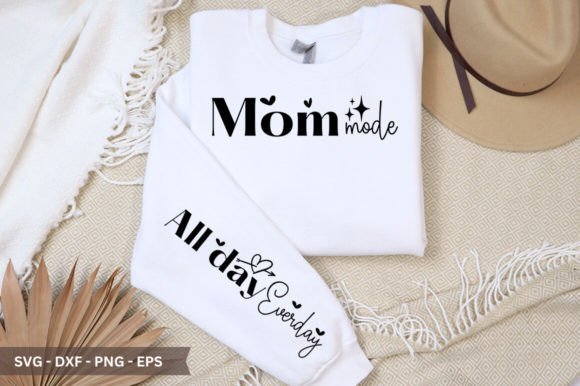
Mom Mode Sleeve SVG: A Designer's On-Hoop Assessment
Whenever a new embroidery file lands in my library, my first question isn’t about the formats—it’s about the story it tells on fabric. Today, I’m considering the Mom Mode Sleeve SVG for a real project. I’m picturing a custom tote bag for a client’s boutique, something sturdy and stylish that speaks to a modern, heartfelt aesthetic. This isn't just a digital asset; it's a potential finished product, and its success hinges on how it translates from screen to stitch.
The Immediate Mood and Visual Personality
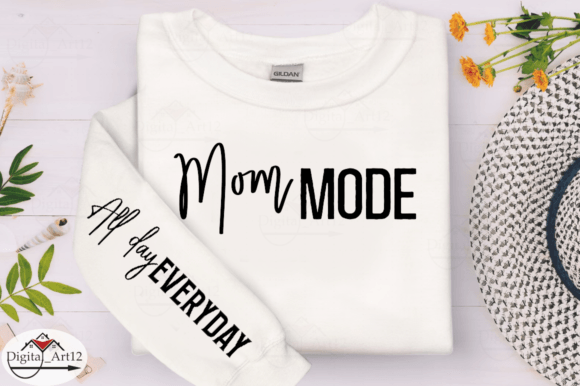
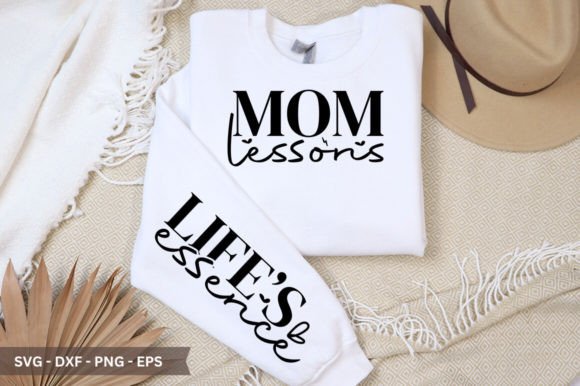
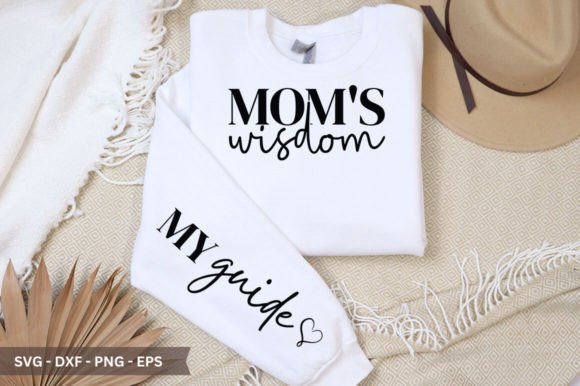
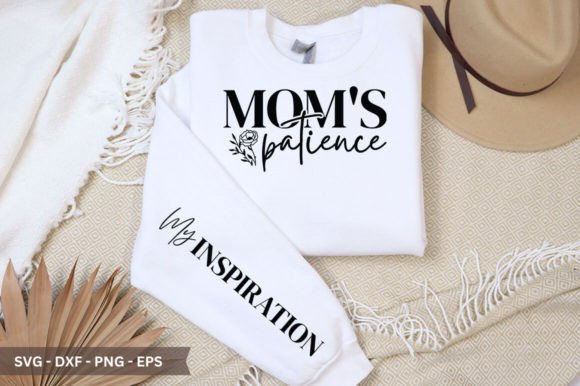
The design’s theme is clear and engaging. It creates an immediate sense of warmth and relatable pride, a mood perfect for gifts or apparel meant to celebrate everyday moments. The layout feels balanced for a sleeve or a subtle placement, which is a thoughtful touch. From a purely visual standpoint, the shape and detail level suggest it belongs on projects where a clean, recognizable statement is key—think a crisp sweatshirt, a cozy pillow cover, or a personalized baby blanket. Its personality isn’t overly ornate; it’s confident and friendly, which is a solid foundation for embroidery.
Where This Design Finds Its Best Home
In practical use, the Mom Mode Sleeve SVG shines on stable, medium-weight fabrics. A canvas tote bag is my go-to test scenario: the fabric holds stitches well, and the design becomes a permanent, quality feature. It would equally elevate a simple apron or a kitchen towel, turning a utilitarian item into a cherished handmade product. For apparel decorators, this is a strong candidate for the sleeve or chest of a tee or sweatshirt, especially in a boutique’s merchandise line. As an Etsy seller or small shop owner, this design could anchor a whole series of personalized gifts—from holiday presents to wedding party favors—adding consistency to your brand.
For baby items or nursery decor, the theme is inherently fitting, but execution is critical. On a baby robe or blanket, you’d need to ensure the stitch density is appropriate for softer, often more delicate fabrics. A densely stitched area on thin cotton might feel too rigid. This is where a designer’s judgment comes in: the file provides the blueprint, but your choice of stabilizer and thread on the actual material dictates the final feel.
Scenarios That Demand Extra Attention
Not every project is an ideal canvas. This design should be used carefully on small hoop sizes if the details are fine; you risk losing clarity. Textured fabrics like some sweaters can break up clean lines. Stretchy fabric requires extra stabilization to prevent distortion. On dark fabric, thread color contrast becomes paramount—a simple black and white mockup test before stitching is invaluable here.
Curved surfaces like caps present a challenge. The layout might need adjustment to sit correctly on the curve. Also, for products destined for frequent washing, such as kids' clothes or kitchen linens, reviewing the stitch integrity and thread choice is a must. A design with tiny lettering or dense stitch areas can wear differently. Always test on scrap fabric first, mimicking the final product’s conditions. This step protects your professional reputation and builds customer trust in your handmade presentation.
The Impact on Your Product and Your Customer
When stitched well, a design like this directly affects visual appeal and product value. A clean, crisp embroidery job makes an item look professional and giftable. It increases buyer engagement because the product feels intentional and high-quality. For a creative entrepreneur selling at craft fairs or through digital product previews, this reliability is key. Customers recognize good craftsmanship, and a well-executed machine embroidery design reinforces your brand’s consistency.
For commercial embroidery projects or digital product sellers offering the file itself, clarity in the final stitch result is your selling point. When you create printable mockups or list the embroidery file, showing how it performs on light and dark backgrounds builds confidence. It answers the practical questions your fellow makers are asking.
A Few Practical Notes from the Hoop
Before you run this file for a client order or your next craft business item, here’s my routine. I always check thread color contrast against my fabric stash. I inspect the small details in the provided formats to ensure they’ll translate clearly to satin stitch or fill stitch areas without becoming muddy. I confirm my hoop size can accommodate the design without forcing a compromise. And, crucially, I verify the licensing terms before selling any finished items or digital products. The product description notes it includes multiple file types, which is excellent for flexibility across software, but the specifics for commercial use are something you must ascertain yourself.
Use proper stabilizer. This isn’t a generic tip; it’s the difference between a puckered design and a flawless one. For an embroidered patch application, the stability is even more important. Consider how the design might work as an applique design element, too. Does it have areas that would benefit from fabric layering? Sometimes, a hybrid approach adds incredible value.
Final Thoughts: A Design Ready for Real Work
The Mom Mode Sleeve SVG feels like a design waiting for a project. It has the visual personality to connect with people and the structural simplicity to perform reliably under the needle. My assessment, from the point of view of preparing that boutique tote bag, is positive. It would stitch out with clarity, add meaningful value to the product, and likely receive a warm response from the customer. For embroidery designers and makers looking for a graphics asset that bridges the digital and the tangible with practical charm, this design deserves a spot in your test queue. Your next custom apparel, holiday gift, or small shop merchandise might just find its perfect centerpiece here.