Evaluating a "World’s Greatest Mom" Embroidery Design
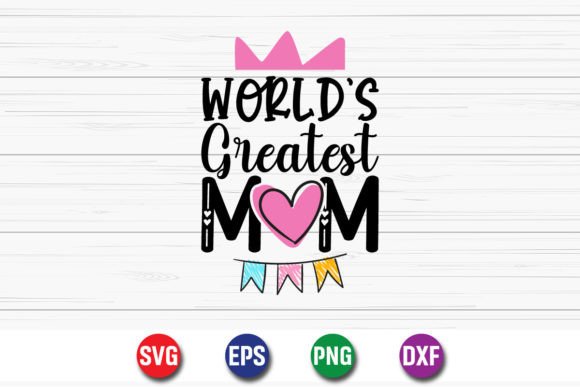
When you're preparing a Mother's Day gift—say, a custom embroidered tote bag for a client’s boutique—the design you choose carries a lot of weight. It’s not just a graphic; it’s the emotional core of the finished product. So when I look at a design like World’s Greatest Mom Mother s Day SVG, my first question is: does this feel like a gift?
The Heartwarming First Impression
The title itself sets a classic, affectionate mood. This isn’t a modern, minimalist statement; it’s a warm, proud declaration. For an embroidery design, that translates into a need for clear, readable lettering and a layout that feels celebratory. The description notes it's made from vector shapes, which is promising. That typically means the design can scale up or down without losing the crisp lines essential for clean stitching. My immediate thought is that this belongs on something tangible and cherished: a kitchen towel, a pillow cover for a nursery, or the centerpiece of a personalized sweatshirt.
A Design Built for Real Projects
Let’s walk through a scenario. I’m considering this for a batch of embroidered aprons for a small shop’s Mother’s Day promotion. The vector-based nature suggests possible and easy change color, which is a practical boon. I can effortlessly adapt the thread palette to match different fabric backgrounds—a soft pastel for a light linen apron, or a vibrant combo for a dark denim one. This flexibility is key for craft businesses juggling multiple product lines.
The design’s personality leans toward a handmade, heartfelt presentation. It wouldn’t feel out of place on a baby blanket or as a decorative patch on a canvas bag. For Etsy sellers and creative entrepreneurs, that giftability is crucial. A customer isn’t just buying an item; they’re buying a feeling, and this design’s theme directly supports that.
Performance on the Actual Product
How will this World’s Greatest Mom design perform once it’s stitched? On a sturdy tote bag or a cotton pillow cover, I expect it to hold up well. The clarity of vector shapes usually translates into well-defined stitch paths, meaning the lettering should remain legible and the overall shape distinct. This builds customer trust—the finished product looks professional, not haphazard.
For apparel decorators, consider the base garment. A heavyweight sweatshirt provides a stable canvas. However, on thinner or stretchy fabrics like a standard t-shirt, the stitch density needed for solid shapes could become a concern if the design is very dense. The description doesn’t specify stitch count, so testing on scrap fabric first is an absolute must. Hoop a piece of similar material, run a test, and check for puckering or distortion, especially around any detailed corners.
Where to Exercise Caution
Every design has its ideal applications. For this one, I’d be careful on very small hoop sizes. If the design incorporates tiny lettering within the "Greatest Mom" phrase, those details might get lost or become fuzzy when minimized. Similarly, embroidering it on a curved surface like a cap requires attention to placement—the generous, celebratory sentiment of the phrase might need to be centered perfectly to look right on that rounded plane.
Dark fabric backgrounds are a classic challenge. The easy color change feature is helpful here, allowing you to plan for high-contrast thread colors to ensure the design pops. Always check thread color contrast in a digital mockup or by stitching a small sample. Textured fabrics, like a waffle-knit blanket, can also obscure cleaner lines, so using proper stabilizer is non-negotiable to maintain stitching clarity.
The Impact on Your Craft Business
Using a design like this isn’ just about making one item; it’s about building a consistent brand for your handmade shop. If your niche is personalized gifts or holiday embroidery, this Mother’s Day design fits seamlessly into your catalog. It enhances your product’s visual appeal by providing a familiar, emotionally resonant message that buyers immediately recognize.
For commercial embroidery projects, such as producing merchandise for a local boutique, the design’s straightforward theme works well. It doesn’t require explanation. That direct recognition boosts buyer engagement. When a customer sees it on a tea towel or an apron in a printable mockup, they instantly understand the product’s purpose. That’s a valuable asset for digital product sellers creating design assets for others.
Practical Notes from the Hoop
Before you commit this design to a final product, here are my hands-on recommendations. First, review the actual embroidery file you receive. While the source is an SVG for cutting machines, you’ll be working with a converted machine embroidery design. Inspect the small details in your software. Are the shapes cleanly separated? Does the pathing look efficient?
Run tests in both light and dark fabric simulations. Compare the results. Does it hold its integrity? Second, confirm the licensing terms for this graphic. The description doesn’t outline them, so you must confirm licensing before selling finished items. Is it for personal use only, or does it allow commercial use for your embroidered goods? This is critical for Etsy sellers and small business owners.
Finally, think about longevity. Products like pillow covers or kitchen towels that need frequent washing benefit from a robust stitch construction. If your test shows areas of overly dense fill stitch, consider adjusting the stitch type or density in your embroidery software to ensure the design withstands wear and washing, preserving that handmade presentation for years.
In essence, World’s Greatest Mom Mother s Day SVG presents itself as a versatile, emotion-driven design suitable for a range of heartfelt projects. Its potential lies in its adaptability and clear theme. By approaching it with a practical eye—testing thoroughly, considering the fabric, and respecting licensing—you can transform this digital graphic into a beautiful, valued embroidered product that truly honors the sentiment it carries.