Coffee First, Mom Later: A Designer's Review
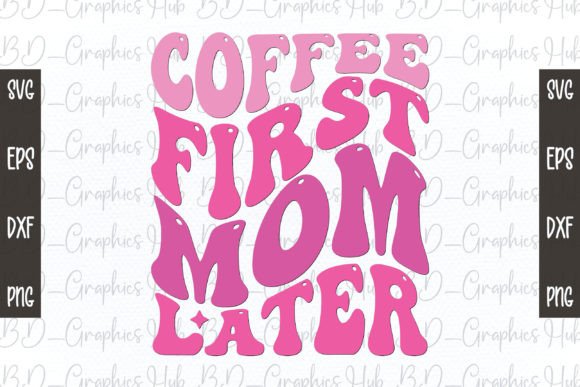
When a new design lands in my library, I'm not just looking at the file. I'm visualizing it stitched out on fabric. I'm thinking about how it'll sit on a sweatshirt, how a client's face might light up, and whether it has that special something that turns a simple craft into a cherished product. So, when I evaluate the Coffee First Mom Later Retro Svg, I'm approaching it from the messy, practical reality of my embroidery studio.
The Immediate Appeal & Where It Belongs
The mood here is wonderfully clear: it's playful, candid, and instantly relatable. The retro styling suggests a friendly, slightly nostalgic vibe, not a harsh modern minimalism. This isn't a formal monogram; it’s a conversation starter. The layout promises good visual weight—the words feel balanced, giving me confidence that it won’t look lopsided when stitched. This design naturally calls out for casual, comfort-focused projects. My mind goes immediately to a cozy, washed-black sweatshirt, a canvas tote bag for a fellow mom running errands, or perhaps a soft baby blanket as a tongue-in-cheek gift for a new parent. It feels perfect for personalized gifts and small shop merchandise that connects through humor.
Putting It Into a Real Project Scenario
Let’s say I’m preparing a custom order for an embroidered tote bag. The client wants something unique, fun, and durable. I see Coffee First Mom Later Retro Svg here. The bold lettering would allow for clean satin stitches or a solid fill stitch, making it stand up to the wear and wash a tote requires. I’d consider a contrasting thread color on natural canvas—perhaps a deep coffee brown. The design’s personality would make that tote not just a bag, but a statement piece the customer uses daily. For an Etsy seller, this is exactly the kind of design that can drive engagement; it’s easy to picture in a printable mockup, showing customers how it would look on an apron or a pillow cover.
Performance Across Different Embroidery Situations
For custom apparel like t-shirts and sweatshirts, the design’s scale is key. It likely needs a medium to large hoop size to maintain clarity, especially on stretchy fabric where fine details can get lost. On a baby clothes item, like a little hoodie, I’d scale it down carefully, ensuring the lettering remains legible without becoming too dense. As an embroidered patch, it could be fantastic—the retro theme works beautifully on a patch applied to a denim jacket or a backpack. For home goods, think kitchen towels or tea towels: a simple running stitch outline might suffice here for a more rustic, handmade presentation.
However, its true strength might be in holiday gifts and boutique products. Imagine this stitched onto a soft throw blanket for a mother’s birthday, or on the cuff of a robe. It’s that blend of humor and warmth that makes a product feel thoughtful. For commercial embroidery projects, say for a small cafe selling branded merch, this design could be a hit, adding a human touch to their brand consistency.
Where You Need to Apply Caution
Every design has its limits, and a practical reviewer has to note them. The potential pitfalls for Coffee First Mom Later Retro Svg would revolve around scale and fabric. On very small hoop sizes, the retro lettering details might become fuzzy or require tricky stitch adjustments. I’d avoid using it on overly textured fabrics like thick terrycloth or looped towels without extensive testing, as the text could get lost. Dark fabric backgrounds demand high-contrast thread choices to keep the message popping. Also, on curved surfaces like caps, the design’s horizontal layout might need careful positioning to avoid distortion at the seams.
Most importantly, if the design includes very tiny decorative accents or script elements, their stitch density must be checked. Too dense on thin t-shirt material, and it could pucker; too sparse, and it loses impact. Always consider the end-use: products destined for frequent washing, like apparel, need robust stitch settings to maintain longevity.
How This Design Influences Your Product's Value
From a business perspective, using a design like this effectively boosts visual appeal and buyer engagement. It tells a story. When a customer sees it stitched out cleanly on a high-quality sweatshirt, it builds customer trust in your craftsmanship. The handmade presentation feels intentional and professional, not random. For creative entrepreneurs, it offers a ready-made design asset that can be adapted across product lines—from digital previews to physical finished products. Its recognizability and relatable theme enhance its giftability, making your products easier to market.
Essential Designer Notes Before You Stitch
Never skip the pre-flight check. My absolute first step with any embroidery file, including this one, is to test the design on scrap fabric first. Use the same material as your final project. This reveals everything: how the thread colors interact with your fabric, whether small details stitch out clearly, and if the chosen hoop size works.
Check thread color contrast by creating simple black and white mockups. Think about how it will look on both light and dark backgrounds. Always use the proper stabilizer for your fabric type; this is crucial for maintaining the integrity of the letterforms. And a critical, often overlooked step: confirm licensing before selling finished items. Since this is described as a cutting file for machines like Cricut and Silhouette, you must verify the license terms to ensure it’s cleared for commercial embroidery projects if you plan to sell the physical products you make. This protects your craft business.
Finally, view this machine embroidery design as a versatile starting point. It has the character to shine on a relaxed custom apparel piece, a witty baby embroidery gift, or a stylish holiday embroidery item for your shop. By approaching it with this practical, tested mindset, you transform a downloadable graphic into a tangible product that feels both expertly made and genuinely heartfelt.